


The science behind our vent design
Some of our more technical system reservation holders have asked how Ecovent will minimize noise and handle pressure – which is an important factor in the health of a forced air furnace or air conditioner. For those of you with similar interests, here’s a little about the science involved, and how it influenced our designs.
Turbulent airflow causes noise and increased pressure
Traditional louvered vents present a lot of resistance to airflow. As air reaches the vent, it hits the louvers and cross-slats, which disrupt the airflow and cause turbulent flow.
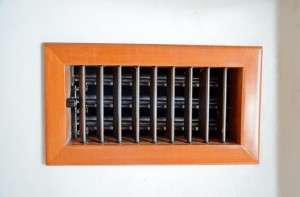
 As a result of this turbulent flow, air is blocked from easily passing through the vent. Think of traffic congestion at the vent. That turbulence increases pressure within the ducts just as traffic backs up at a busy intersection. Heating and air conditioning systems are designed to tolerate a reasonable amount of pressure. But closing too many vents can boost pressure above the system’s tolerance and shorten the system’s life.
Ecovent forces air into rooms that need heating or cooling by closing off vents in rooms that are the right temperature or unoccupied. We designed our vents to let out more air than standard vents in order to limit the pressure increase in the ducts as vents are closed. Our vent was also designed to be silent – open or closed.
How our vents minimize turbulence
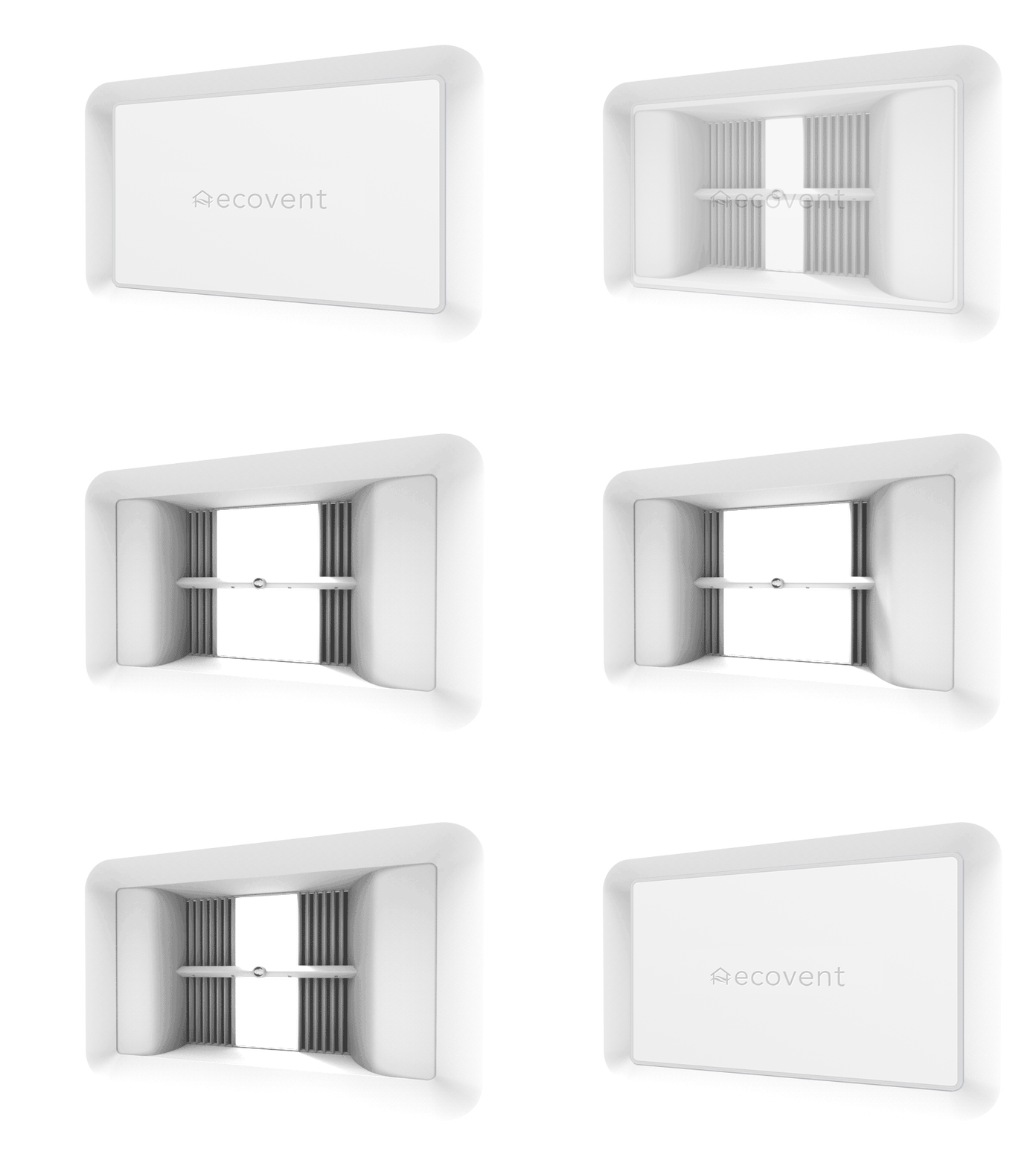
Cross slats and louvers cause the airflow to turn and collide, which inhibits air from passing through standard vents. By eliminating louvers and cross-slats and designing our vent with smooth sweeping surfaces, our vents allow air to pass through seamlessly.
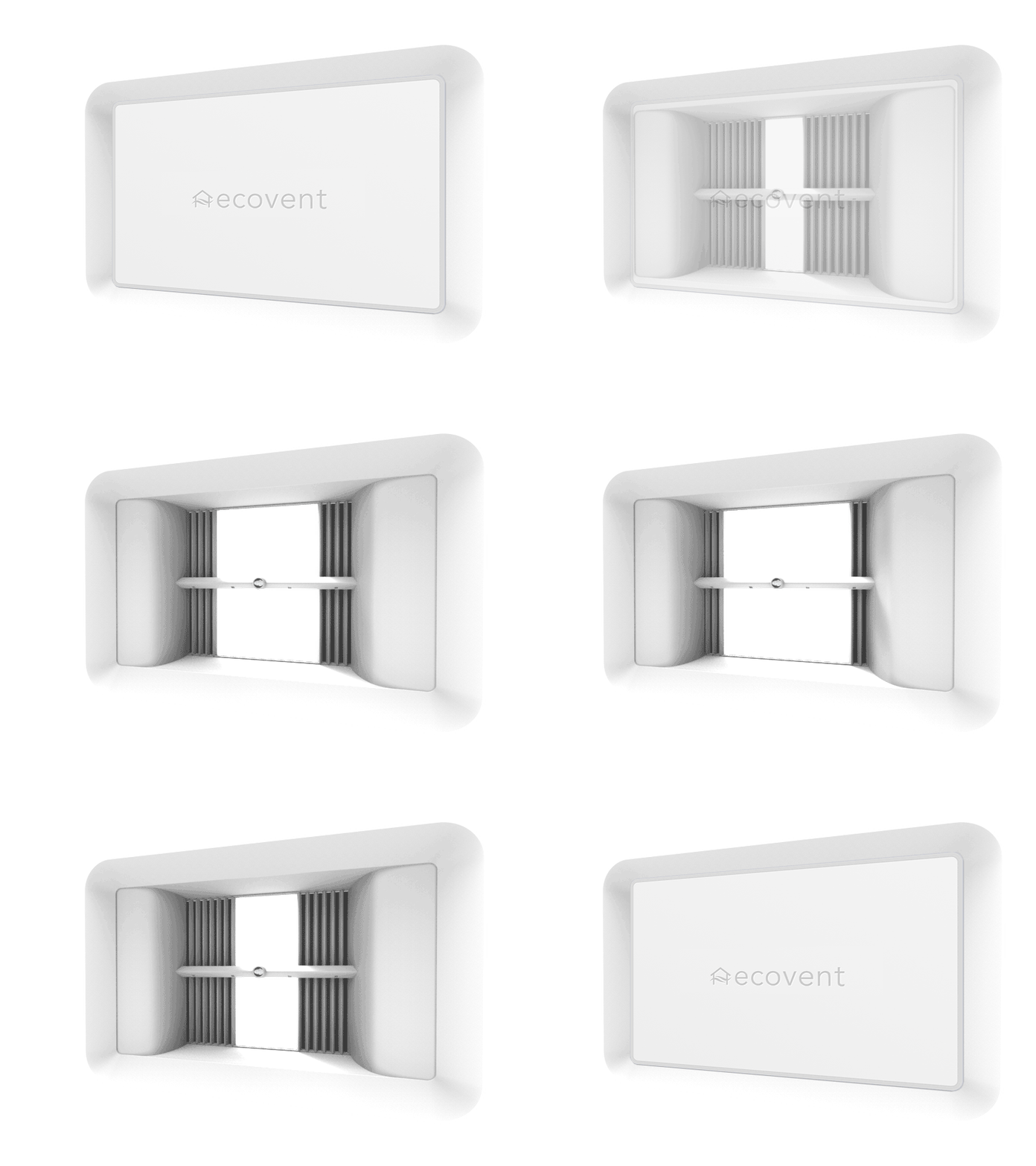
As a result, when our vents are open, they allow air to flow through easier – there’s less pressure and noise.
Less turbulence allows us to safely close more vents
Our vents allows the same amount of air to flow out of 8 vents as would flow through 10 traditional vents. That means we can close more vents and still stay inside the pressure tolerance of your system.
Closed vents usually make the most noise
A “closed” standard vent still releases up to 40% of the airflow it releases when fully open. The edges of louvers and slats catching the air cause whistles and rattles. The noise increases as more vents are closed and pressure rises. You may have become accustomed to this soundtrack.
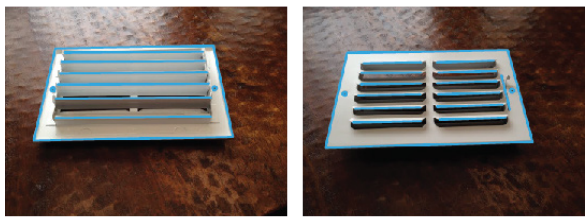
Edges that cause turbulence and noise are highlighted in blue.
Eliminating these louvers and slats that catch airflow make our vents quieter. Our curtain door significantly decreases the surface area of the edges that catch airflow. Our vents also close completely, preventing unwanted air from escaping. Ecovents seal so well that they release less than 4% of the fully open-vent output. Additionally, our faceplates are acoustically designed to reflect sound coming from the HVAC system back into the duct.
Sound level tests comparing a closed standard louvered vent to our closed vent showed our vents were 10 dB lower. That’s the difference between the sound of background music versus the sound of a vacuum cleaner! [http://www.industrialnoisecontrol.com/comparative-noise-examples.htm]
Any other questions?
We appreciate the interest of our system reservation holders in our technology. Please send additional questions to [email protected]. We’ll address them in future posts.
Image credit: Mike G. K. and Nancy Jenks/Flickr. CC license.
 The Humble Vent Reimagined
 Meet Our Team: Rob Kim, Co-op extraordinaire
 We’re Cleantech Open Finalists!
 How efficient is your home?
 ecovent in Action
 We’ve come a long way. We thank you.
 See You In ‘The Garage’ at GigaOm’s Structure Connect
Saw you at the Cleantech Open Global forum last month.
Do you have floor vents (I can’t find any pictures of them on your website)? I have lots of them in my home.
Hi Mark,
Yes - we have floor vents. We’re finalizing the design and they’ll be featured on our website soon. Please stay tuned. Thanks so much for reaching out.
Great ! Can’t wait to see them.