
Tag Archives: expensive electricity bill

Why Your Home Is 50 Percent Bigger Than Your Parents’

Large_Salinas_house

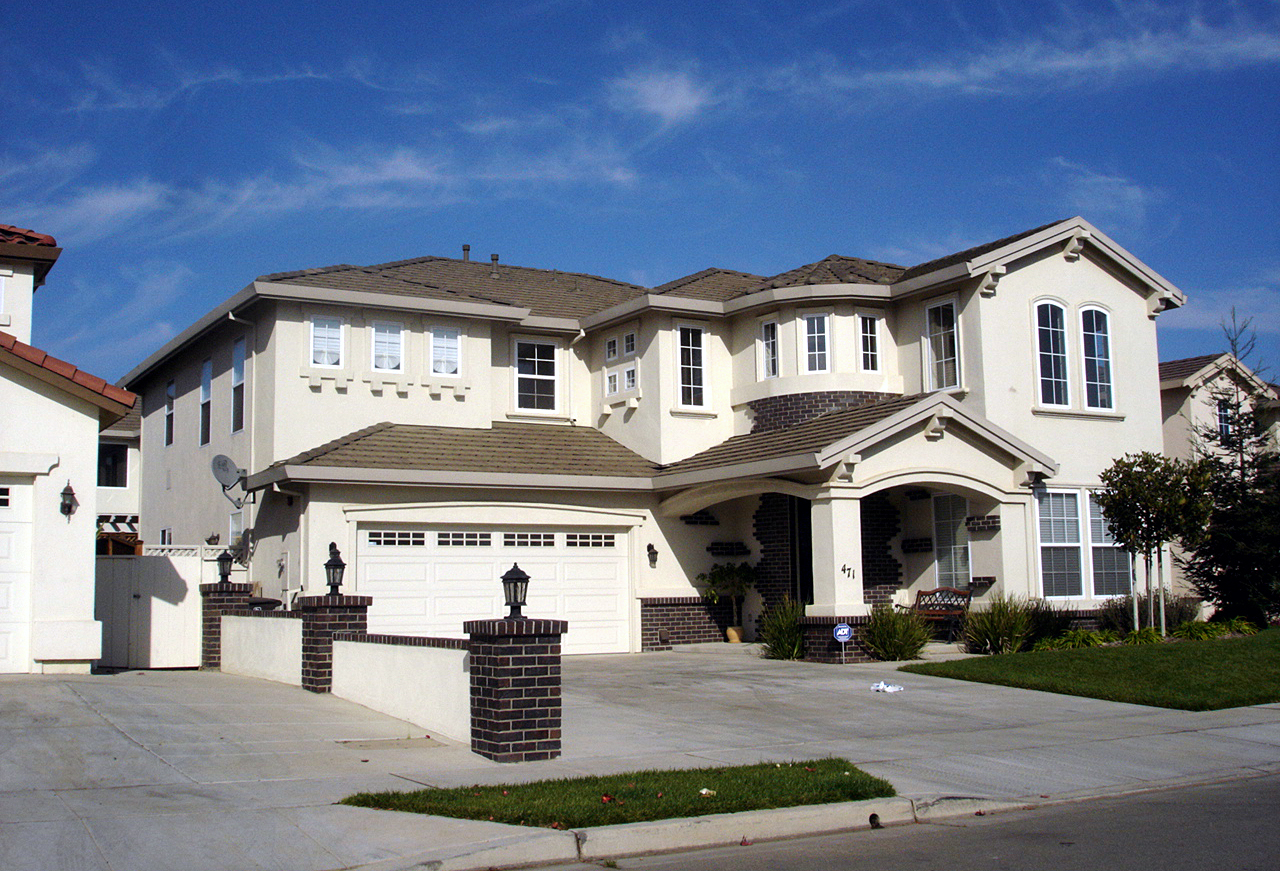
We hear it all the time: “Bigger is better.” And when it comes to American homes, it’s the truth. U.S. homes are getting larger, but if you ask most homeowners, they’re still not big enough.

According to Wall Street Journal analysis of the latest U.S. Census data, the median American home is more than 50 percent larger today than it was in 1970. Over the last decade, the median house size has increased on average about 25 square feet per year. The biggest reason for the growth is the improvement in the economy, as well as a preference for more bedrooms and bathrooms in new homes.

But even as homes have grown, the appetite for bigger living spaces is still not satisfied. According to data from both the National Association of Home Builders and Trulia, Americans would usually prefer about 17 percent more space than they currently have. And of course, the bigger a house gets, the bigger its heating, ventilation, and air conditioning (HVAC) system gets, too.

Having a big house is great, but heating and cooling it can be difficult—and costly. With a system like ecovent, there’s no need heat and cool empty space, so you can save energy and spread out without worrying about an expensive electricity bill at the end of the month.

Big is king, but smarter is even better.


Image credit: Wikimedia Commons
Why Is Your Electricity Bill So High? Rates Are Rising.

high electricity bill

With e-billing and auto-payments, it can be easy to forget how much we spend on electricity. But if you’ve looked at your bill recently, you may not like what you see. Across the U.S., electricity prices are on the rise.

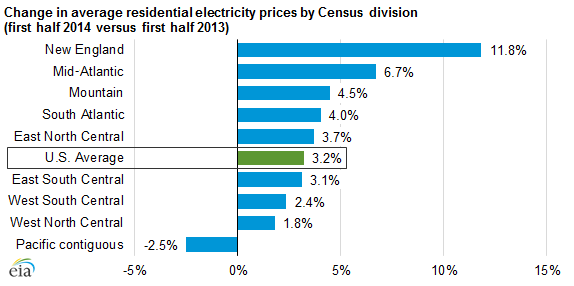
During the first half of 2014, U.S. retail residential electricity prices averaged 12.3 cents per kilowatt-hour. That may not sound like much, but it’s an increase of 3.2% from the same period last year. According to the experts at the U.S. Energy Information Administration, that’s the largest year-over-year increase in residential prices since 2009.

New England saw the biggest jump, with prices surging almost 12% year-over-year. And some utilities are reporting rate increases as high as 37%. With prices rising that high, it’s enough to make you look twice at your electricity bills.

At ecovent we love to save money, but we don’t love having to think about it every month when the bill arrives. By making hardware that’s easy to install, a system that adapts to your lifestyle, and an app that’s never more than a tap away, we want to help homeowners save energy—and money—automatically.

That way, you can stop thinking about high electricity bills and get back to spending time on the things you love. Like being comfortable at home.

The 10 Most Expensive States To Buy Electricity In America

If you live in Hawaii, we’ll bet that you don’t spend your days filled with regret about making your home in paradise. But if you saw the average homeowner’s electricity bill on the Big Island, you might think twice.

Hawaiian residents pay $0.37 per kilowatt-hour (kWh) of electricity, more than three times the U.S. national average of about $0.12/kWh, according to data from the U.S. Energy Information Administration.

The Hawaiian Electric Company has made some amazing strides toward renewable energy generation, but it still produces the majority of its electricity from oil, which has to be shipped in continuously throughout the year. Hence the high prices.

Even on the mainland, electricity can get pricey. Here are the 10 states with the most expensive electricity in America:

Interestingly enough, a low cost per kilowatt-hour doesn’t necessarily translate into a lower bill. In fact, despite paying only $0.10/kWh, Tennessee has some of the U.S.’s higher average bills at $123 per month. Our home state of Massachusetts, on the other hand, has higher than average prices at almost $0.15/kWh, and yet we have have below-average bills at $93.50 per month:

That indicates that the way we use energy matters. And that’s why we’re passionate about helping people make their homes more efficient. Being comfortable shouldn’t come at an unbearable cost.